Looking for healthy eating tips that fit into a busy life? You are in the right place. Most beginners do not need a strict diet. Instead, they need a few simple habits that are easy to repeat every day.
This guide shares 15 practical steps you can start this week. None of them needs special foods, expensive products, or perfect willpower. For example, you can begin by adding one vegetable to your lunch. Then you can build from there.
Before we start, one quick note. This article offers general information, not medical advice. If you have a health condition, are pregnant, or take medication, please talk to a doctor or a registered dietitian first.
Why Healthy Eating Tips Work Better Than Strict Diets
Strict diets feel exciting at first. However, they are hard to keep. Cutting out whole food groups often leads to cravings, stress, and giving up after a few weeks.
Healthy eating tips work differently. They focus on small changes, so you can keep them for months and even years. Because each habit is small, it also feels less overwhelming. Over time, these changes add up.
The World Health Organization describes a healthy diet as one built on a variety of foods. These include vegetables, fruits, legumes, nuts, and whole grains. You can read the full guidance on the WHO healthy diet fact sheet. The tips below follow that same simple idea.
What a Balanced Meal Looks Like
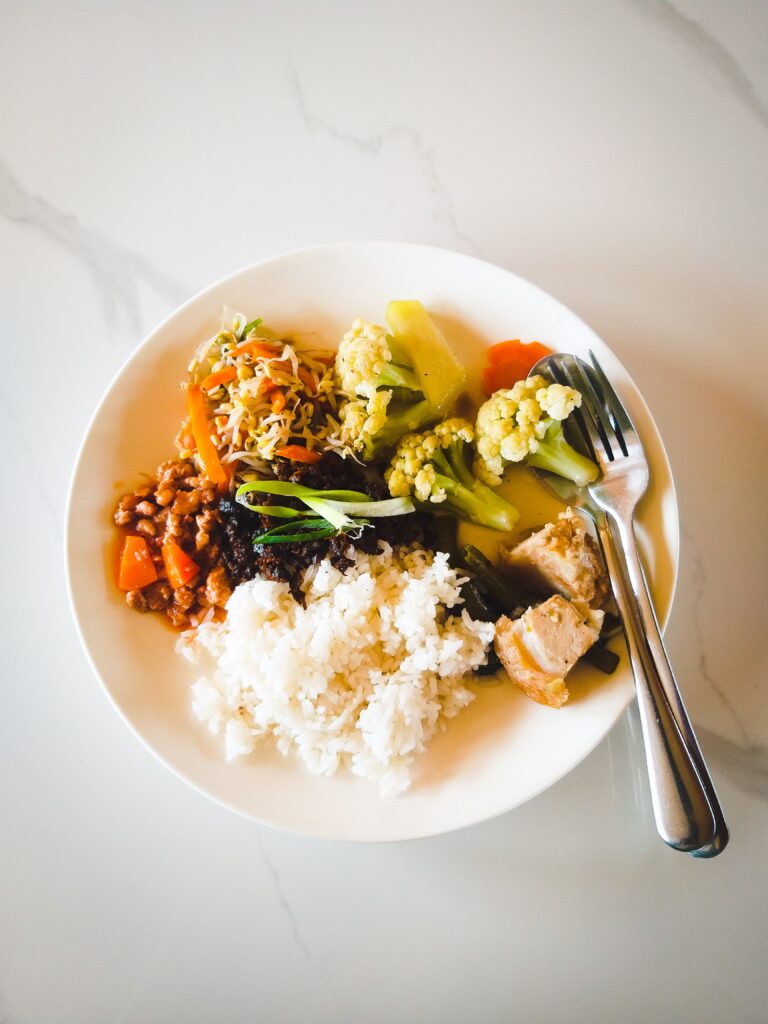
A balanced meal does not need to be complicated. Picture your plate in simple parts. Fill about half of it with vegetables or fruit. Use about a quarter for whole grains or starchy foods, and a quarter for protein. Then add a small amount of healthy fat, such as groundnuts, avocado, or a little plant oil.
This picture works for almost any cuisine. For example, a plate of brown rice, grilled fish, and sautéed greens fits it well. So does beans with vegetable stew and a small portion of plantain. You can use this plate as a quick check whenever you build a meal. It is one of the simplest healthy eating tips for better meals.
15 Healthy Eating Tips for Beginners
You can use these healthy eating tips in any order. Start with the ones that feel easiest, and come back to the rest later.
Healthy Eating Tips to Start With
- Start with one small change. Trying to fix everything at once usually backfires. So pick one habit and practice it for a week. For example, you might drink a glass of water before each meal. Once that feels normal, add the next tip. Slow progress is still progress, and it lasts longer.
- Fill half your plate with vegetables. Vegetables add color, fiber, and nutrients to every meal. Therefore, try to make them the biggest part of your plate. Leafy greens like spinach or ugwu, tomatoes, carrots, and peppers all count. If vegetables feel boring, cook them with onions, garlic, or herbs. Also, try different cooking methods, such as steaming, roasting, or stir-frying.
- Aim for five portions of fruit and vegetables a day. The WHO recommends at least 400 grams of fruit and vegetables daily, which is about five portions. Note that potatoes, sweet potatoes, cassava, and other starchy roots do not count toward this goal. To reach it, add fruit to breakfast, vegetables to lunch, and a fresh snack in the afternoon. In addition, eating what is in season often costs less.
Smart Swaps for Grains, Protein, and Water
- Choose whole grains more often. Whole grains keep you fuller for longer than refined ones. Examples include brown rice, oats, millet, whole wheat, and unprocessed maize. Start small. For instance, mix brown rice with your usual white rice, then slowly increase the amount. As a result, the change feels easy instead of forced.
- Add protein to every meal. Protein helps you feel satisfied after eating. Good sources include beans, lentils, eggs, fish, chicken, and groundnuts. Beans and lentils are also affordable and rich in fiber. Try to include one protein food at each meal. In turn, you may snack less between meals.
- Drink more water. Many people confuse thirst with hunger. So keep a bottle of water nearby and sip throughout the day. If plain water feels dull, add slices of lemon, cucumber, or mint. Moreover, choosing water over soda or sweet drinks is one of the easiest healthy eating tips to follow. It saves sugar without any extra effort.
Planning, Snacks, and Labels
- Plan your meals for the week. Planning prevents last-minute, unhealthy choices. Take ten minutes on the weekend to decide on your meals. Then write a short shopping list and stick to it. Because you already know what you will cook, you waste less food and money. Even a rough plan is better than none.
- Keep healthy snacks within reach. When hunger strikes, you will reach for whatever is closest. Therefore, make the healthy option the easy one. Keep fruit, nuts, boiled eggs, or plain yogurt where you can see them. Meanwhile, store biscuits and sweets out of sight. This small change removes a lot of temptation.
- Read food labels. Labels tell you what is really inside a product. Look at the ingredient list first. Shorter lists with recognizable foods are usually a better sign. Next, check the amounts of sugar and salt. If sugar or syrup appears near the top of the list, the product is likely very sweet. After a few weeks, reading labels becomes a quick habit.
Cutting Back on Sugar, Salt, and Unhealthy Fats
- Go easy on sugary drinks and sweets. The WHO suggests keeping free sugars below 10 percent of your daily energy, and below 5 percent if possible. For a typical 2,000-calorie diet, 10 percent is about 50 grams, or 12 level teaspoons. Free sugars include those added to food and drinks, plus the sugars in honey, syrups, and fruit juice. So try swapping soda and packaged juice for water, unsweetened zobo, or whole fruit.
- Cut back on salt and seasoning cubes. Most adults should keep salt under 5 grams a day, which is about one teaspoon, according to the WHO. A lot of salt hides in seasoning cubes, stock cubes, processed meats, and salty snacks. Instead, build flavor with onions, garlic, ginger, pepper, and fresh herbs. Also, taste your food before adding more salt. Small cuts add up quickly.
- Choose healthier fats. Not all fats are the same. Fats from fish, avocado, nuts, seeds, and plant oils are better choices than the fats in fried snacks and heavily processed foods. For example, grill or bake fish instead of deep-frying it. Likewise, use a little oil when cooking and measure it with a spoon. Even small adjustments help.
Healthy Eating Tips for a Calmer Relationship With Food
- Eat slowly and notice when you are full. Your body needs time to signal that you have had enough. If you eat very fast, you may overeat before the message arrives. So put your fork down between bites and chew well. In addition, turn off the television while you eat. As a result, you will enjoy your food more and notice fullness sooner.
- Cook at home more often. Home cooking gives you control over ingredients, salt, sugar, and oil. You do not need to cook every meal. Instead, start with two or three home-cooked dinners a week. Batch cooking helps too. For example, prepare a big pot of beans or vegetable stew and eat it over several days. Over time, you will also find cooking more relaxing.
- Be kind to yourself on off days. Nobody eats perfectly all the time. You will have days with cake, fast food, or skipped meals, and that is fine. The key is to carry on with your next meal, not to punish yourself. After all, healthy eating tips only work when you can keep using them. Aim for steady habits, not perfection.
How to Eat Healthy on a Budget
Healthy eating do not have to be expensive. In fact, some of the best foods are also the cheapest. Try these simple ideas:
- Buy beans, lentils, and eggs as affordable sources of protein.
- Choose vegetables and fruit that are in season, since they usually cost less.
- Buy staples like oats, rice, and groundnuts in larger amounts when you can.
- Cook in batches, then refrigerate or freeze portions for busy days.
- Write a shopping list, so you avoid impulse buys.
Small savings add up fast. As a result, you can eat well without stretching your budget.
A Simple 7-Day Plan to Get Started
Reading is easy, but doing is harder. So use this simple plan to try one of the healthy eating tips each day. Repeat the steps you like and skip the ones that do not fit your life.
- Day 1: Drink a glass of water before every meal.
- Day 2: Add one portion of vegetables to lunch and dinner.
- Day 3: Swap one sugary drink for water.
- Day 4: Plan three meals for the week and write a short shopping list.
- Day 5: Add a protein food, such as beans or eggs, to breakfast.
- Day 6: Check the label on one packaged food you buy often.
- Day 7: Cook one meal at home from fresh ingredients, and enjoy it slowly.
By the end of the week, you will have tried seven new habits. Keep the ones that felt easy and repeat them next week. Then add one more.
Common Mistakes to Avoid When Following Healthy Eating Tips
Even good intentions can go wrong. Watch out for these common mistakes.
Changing too much at once. Big overhauls are hard to sustain. Instead, choose one or two habits first and add more when they feel natural.
Skipping meals to save calories. Skipping meals often leads to overeating later. In contrast, regular meals help keep your energy steady through the day.
Cutting out whole food groups. Unless a doctor advises it, you do not need to avoid carbohydrates or fats completely. Balance matters more than extreme rules.
Expecting instant results. Habits take time. Rather than watching the scale, notice your energy, your mood, and your sleep.
Final Thoughts
You do not need a perfect diet to eat well. You need small, steady habits that suit your life. Start with one or two of these healthy eating tips this week, then build slowly. Over time, those small choices can change how you feel every day.
Want a gentle starting point? Download our free 3-Day Body Reset guide for a simple plan that covers food, movement, and recovery. For more practical advice, browse our wellness blog.
Remember, this article is for general information only. For advice that fits your health needs, speak with a qualified healthcare professional.